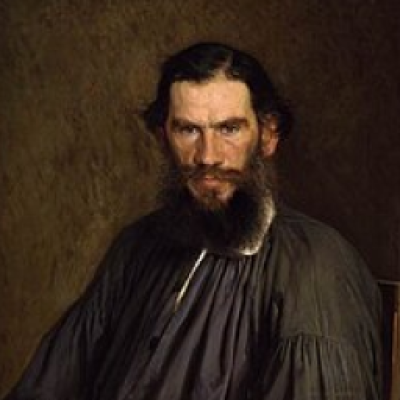
Leo Tolstoy was one of the greatest literary figures in world history, celebrated for his powerful storytelling, deep philosophical ideas, and extraordinary understanding of human nature. Born in 1828 in Russia, Tolstoy grew up in an aristocratic family, yet much of his writing reflected the struggles, emotions, and moral conflicts of ordinary people. His ability to blend realism with profound emotional depth made him one of the most influential authors of all time.
Tolstoy is best known for his masterpieces War and Peace and Anna Karenina, novels that explored themes of love, family, society, war, morality, and personal transformation. His writing captured the complexities of life with remarkable honesty, portraying characters who felt deeply human and relatable. Through vivid descriptions and psychological insight, Tolstoy created stories that continue to inspire readers across generations and cultures.
Beyond literature, Tolstoy was also a philosopher and social thinker who questioned wealth, power, violence, and the meaning of life. In his later years, he embraced simplicity, spirituality, and moral self-discipline. His ideas about nonviolence and truth influenced important global figures, including Mahatma Gandhi. Tolstoy believed that true happiness came not from material success but from compassion, honesty, and inner peace.
Tolstoy’s legacy extends far beyond novels. His works shaped modern literature, inspired philosophical movements, and encouraged readers to reflect on their own values and purpose. Even today, his writings remain timeless because they speak directly to the human experience: love and loss, ambition and regret, hope and redemption. His voice continues to stand as a symbol of wisdom, humanity, and literary brilliance.