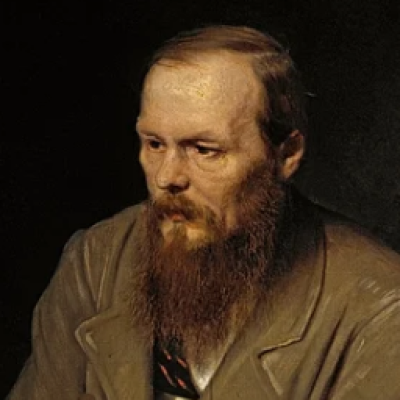
Fyodor Dostoevsky was one of the greatest novelists in world literature, celebrated for his deep psychological insight and philosophical storytelling. Born in 1821 in Russia, Dostoevsky explored the complexities of the human mind, morality, faith, suffering, and redemption through powerful and emotionally intense narratives. His works examined the inner struggles of individuals facing guilt, fear, ambition, and existential conflict, making him one of the most influential literary thinkers of all time. Dostoevsky is best known for masterpieces such as Crime and Punishment, The Brothers Karamazov, and The Idiot. His novels combined suspense, emotional depth, and philosophical reflection, creating characters who felt profoundly real and psychologically complex. Through his writing, he explored questions about justice, free will, morality, and the meaning of life, often placing ordinary individuals in extraordinary emotional and ethical situations. Beyond literature, Dostoevsky’s life experiences deeply shaped his worldview and writing. He faced poverty, political imprisonment, exile, and personal tragedy, all of which influenced the emotional intensity and realism found in his works. His stories reflected not only the darkness of human suffering but also the possibility of compassion, faith, forgiveness, and spiritual renewal. Fyodor Dostoevsky’s influence extends far beyond literature into philosophy, psychology, and modern thought. His exploration of the human condition inspired countless writers, thinkers, and scholars around the world. Even today, his novels continue to resonate with readers because they confront timeless questions about humanity, conscience, and the emotional struggles hidden within every individual.